Spring has sprung, and you know what that means…
Time to get on your knees.
To garden.
Yes, the season of hope, pollen, and Home Depot trips is upon us. The yard (or the raggedy patch you call a backyard) is calling. It’s time for dirt. It’s time for doing. It’s time to lift a 10-pound bag of soil and pretend this counts as CrossFit.
Here’s why you should make gardening your spring project—and why it’s sneakily one of the best things you can do for your body, mind, budget, and soul.
1. Gardening is Therapeutic AF
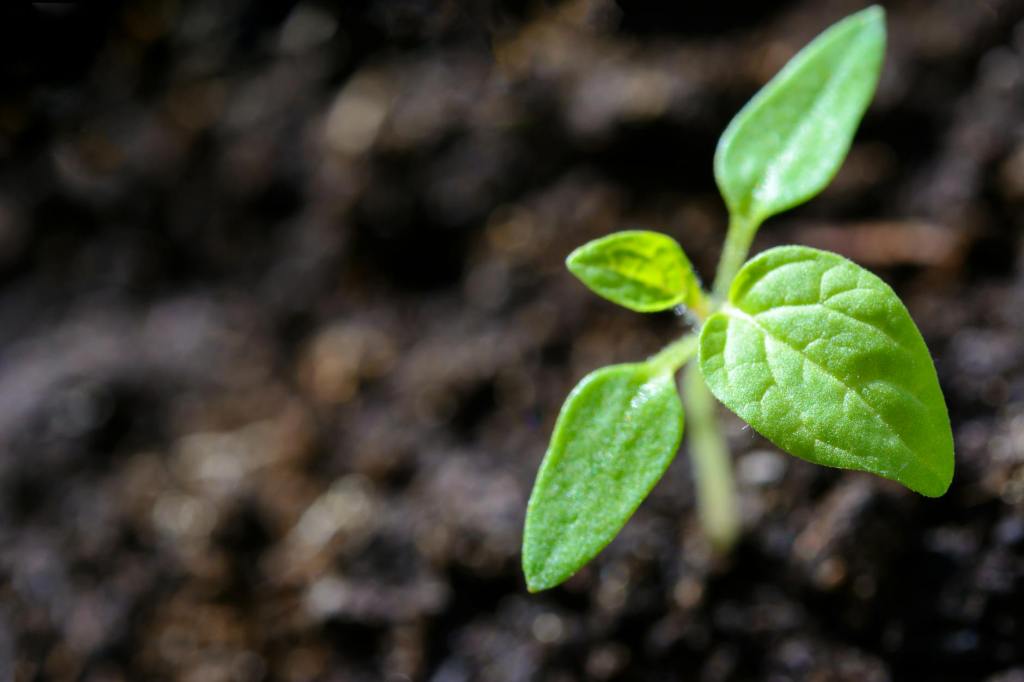
There’s something absurdly wholesome about making new life with your hands. You bury a little thing. Water it. Wait. And somehow it turns into something.
It’s the calmest kind of chaos: watching order emerge from dirt. Literally. Even the color green has documented calming effects on the brain—serotonin, but make it chlorophyll.
Gardening is also a mini science experiment: you dig, you space, you observe, you adjust. There’s a hypothesis (will this tomato survive?) and a result (maybe?). And when you fail—like when you forget to cover the roots or water during a heatwave—Mother Nature usually finds a way.
That soft flow state? It’s meditation with dirty fingernails. And it’s yours for the low, low price of tolerating your neighbor’s leaf blower at 8am on a Saturday. Namaste, Jerry.
2. Gardening Is Basically a Workout (but Cuter)
Gardening is squatting, hauling, core work, and maybe yelling. You lift soil. You bend. You move. Congratulations, that’s functional fitness.
It’s like a secret bootcamp for your glutes and lower back—two areas society generally forgets until it’s too late.
Pro tip: If you’re gardening on your knees, get yourself a pad. Otherwise, you’re just auditioning for bursitis or gardener’s knee, which sounds fake but is very real.
And don’t underestimate the risk of repetitive strain injuries—tennis elbow, golfer’s elbow, screwdriver wrist (yes, that’s a thing). Gardening’s version? Hose wrist. Trowel thumb. Tomato toss shoulder. You’ve been warned.
3. Gardening Is Growth (Duh)
Yes, literal growth. But also… emotional growth? Mental expansion? The slow revelation that you can actually keep something alive?
Start easy. Onions. Potatoes. Garlic. They’re nearly unkillable, which is a great confidence boost.
My first year gardening? Urban vibes. Tiny yard. Zero budget. I spray-painted recycled pots (some still chip today) and hauled soil like I was starring in an indie fitness documentary.
Fast-forward six seasons: I’ve grown tomatoes, potatoes, eggplants, zucchini, carrots, mint, basil, dill, and more—all in containers. No land, no problem. Container gardening: it’s like regular gardening, but with extra anxiety about soil evaporation.
4. Gardening Sparks Curiosity
The more you grow, the more questions you ask:
- What soil is best for basil?
- Is that fungus or just a weird leaf phase?
- Should I add pearlite or compost tea or… unicorn tears?
It becomes a gateway drug to botany blogs and seed-swapping clubs. (Yes, that’s a thing. And yes, it’s as nerdy and wholesome as it sounds.)
You start recognizing plant moods. You worry about them in heatwaves. You become that person who says “I can’t go out, I need to water my tomatoes.” And you love it.
5. Gardening Saves You Money (Eventually)
Look, garlic isn’t that expensive. But free garlic you grew yourself? That’s priceless.
You’ll spend less on herbs and vegetables all summer. And if you save seeds, you’re setting yourself up for next year. Watermelon seeds? Totally reusable. It’s biology, baby.
It all starts to feel like a modern Mendelian experiment. Genotypes, phenotypes, and maybe some grilled eggplant if you’re lucky.
Gardening is science. Gardening is movement. Gardening is mental clarity, community, and economic thrift all in one muddy package.
5 Benefits of Gardening (and the Science to Back It Up)
Gardening isn’t just about getting dirt under your nails or pretending you’re the main character in a cottagecore film. It’s a full-body, full-mind project—and the data agrees. Here’s what happens when you get on your knees (to garden) this spring:
1. Gardening is Therapeutic
It calms your nervous system, grounds you in the present, and offers a low-stakes way to witness growth. You’re literally nurturing life—and getting a mental reset in the process.
“Gardening is beneficial for health: A meta-analysis”
Found significant reductions in depression, anxiety, and even BMI among gardeners.
Source: Soga et al., Preventive Medicine Reports, 2017
2. Gardening Is Functional Exercise
Don’t let the cute gloves fool you—gardening is full-body labor. Lifting bags of soil, squatting to plant, reaching to prune—it’s low-impact but high-reward movement.
“Physical and mental health benefits of gardening: A community-based study”
Showed that gardening improved strength, flexibility, and balance—especially in older adults.
Source: Park et al., HortTechnology, 2008
3. Gardening Fosters Growth (Literally and Emotionally)
You get purpose, patience, and the humble joy of yelling “LOOK!” when the first sprout appears. It’s control in a chaotic world—and sometimes a perfect tomato.
“Digging deeper: The role of gardening in mental health recovery”
Gardening helped individuals rebuild identity, structure, and hope in recovery journeys.
Source: Gonzalez et al., Psychiatric Rehabilitation Journal, 2010
4. Gardening Sparks Curiosity
It’s the gateway drug to soil science, composting, plant genetics, and neighborly seed-swap gossip. You go from “Can I grow mint?” to “How does soil pH affect root uptake?”
“The effect of gardening on science achievement among middle school students”
Hands-on gardening improved engagement and science scores. Turns out dirt makes you smarter.
Source: Klemmer et al., HortTechnology, 2005
5. Gardening Saves Money
Sure, inflation is high—but have you seen the price of basil lately? Growing your own herbs and veggies pays off. Bonus: seeds saved from one season can sprout the next.
“The influence of community gardens on food insecurity in low-income households”
Participants reported improved food access and reduced grocery costs.
Source: Alaimo et al., Journal of Hunger & Environmental Nutrition, 2008
So, What Are You Waiting For?
The sun’s clocking in longer hours, the dirt’s finally thawed, and your local squirrels are already holding HOA meetings.
Whether you’ve got acres of land or a sad little fire escape, the time is now. Pick up that trowel, haul that bag of soil, and go make a mess that grows into something green and glorious.
Because here’s the deal:
Therapy is expensive. Dirt is (mostly) free.
Your gym doesn’t come with basil.
And curiosity grows best in the wild.
Get out there. Your tomatoes are waiting.
 liproti